


Music
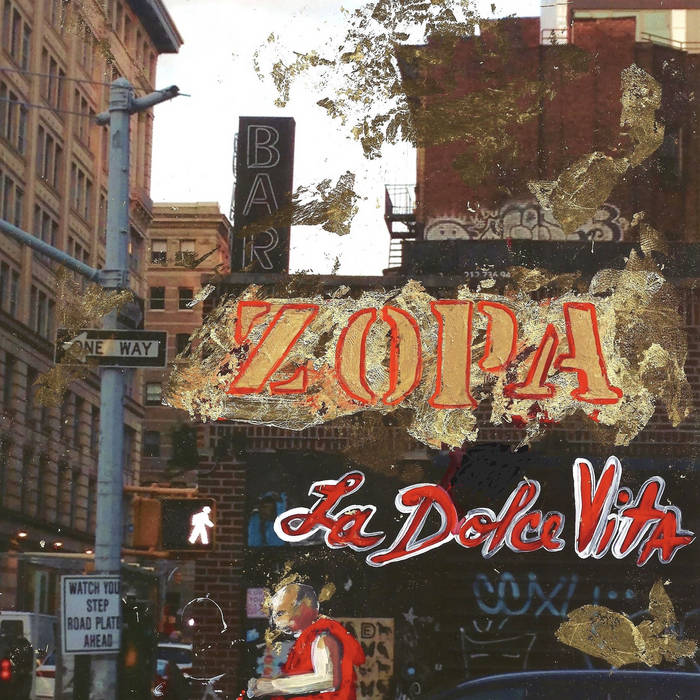
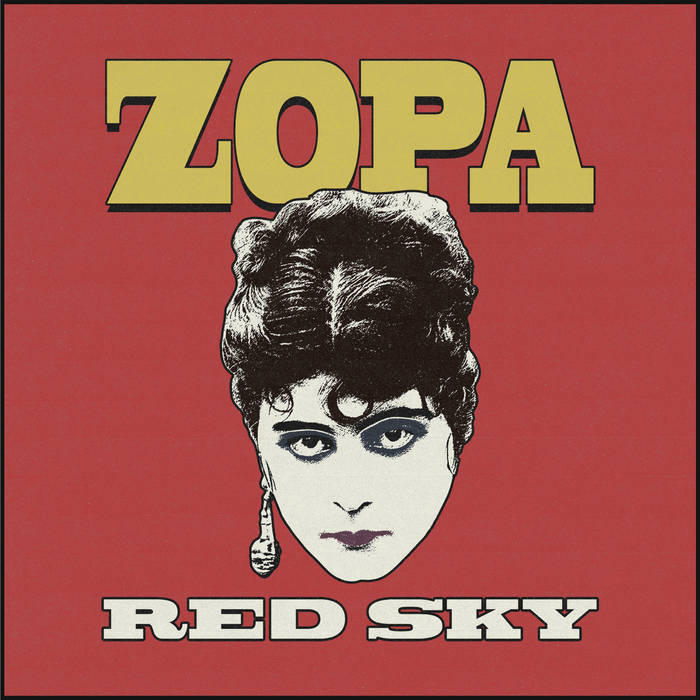
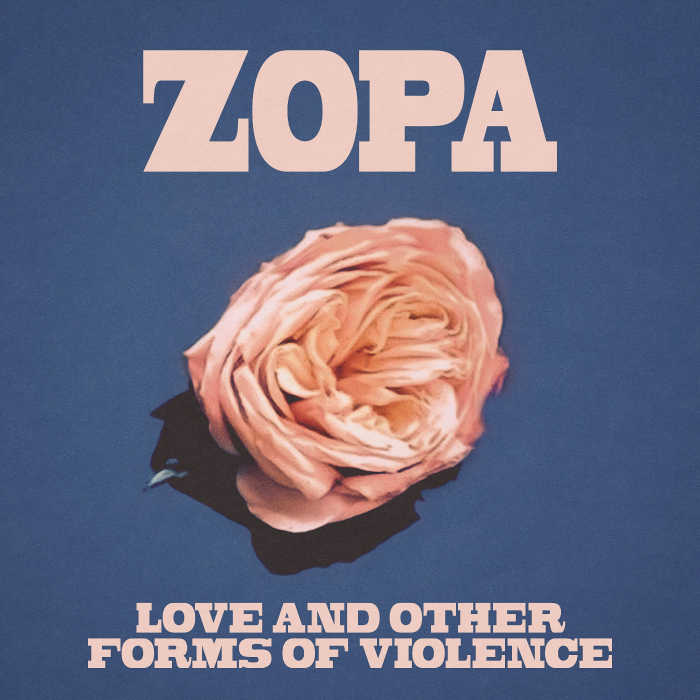
ZOPA WORDS
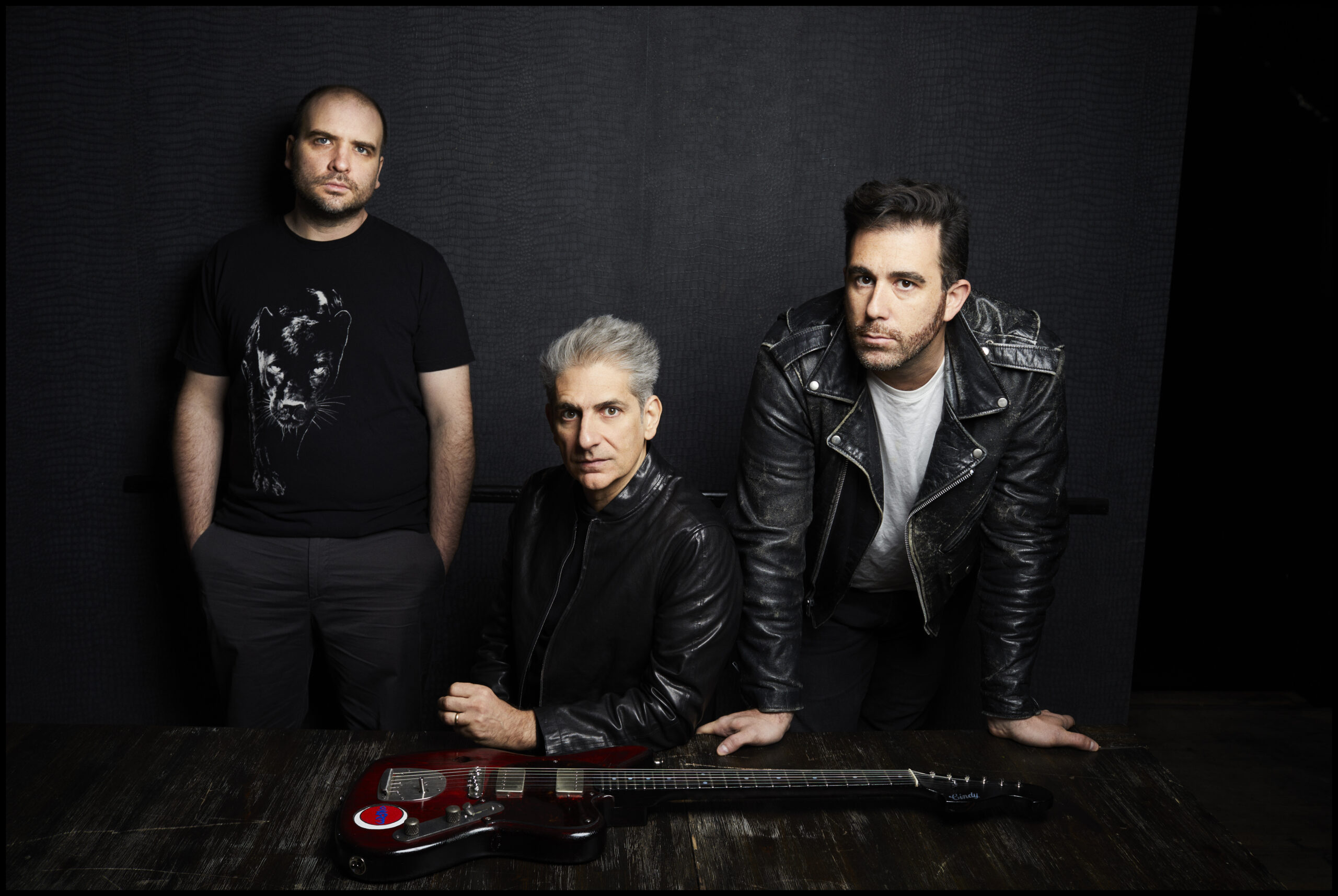
I met Olmo Tighe when he was eight years old. I was twenty-five and we were both acting in Post-cards from America, a raw, honest, brutal, and beautiful film about the life of the artist David Wojnarowicz. Olmo played the artist as a boy and I remember being struck by the intensity, courage, and composure possessed by this young actor. Olmo’s brother Michael was eighteen at the time and he played Wojnarowicz as a teen. Michael and I had lots of scenes together; we became friends and did a play with my theater company. Later on Michael would leave acting and become a musician, first as a guitarist in Jeff Buckley’s band and later with his own projects.
In the fall of 2005 I ran into Michael at a party. We chatted a bit and I asked about his younger brother who I had not seen in fifteen years. Michael told me Olmo was playing drums and worked at the Strand Book Store. He didn’t mention what kind of music Olmo was into or if he was in a band or gigging or anything else. “Olmo plays the drums,” was all Michael said. But for some strange reason that I cannot fathom to this day—call it intuition, foresight, luck . . . magic . . . (I have been accused of being a bit of a witch by several people over the course of my life)—whatever the impulse was, it convinced me that I had to play music with Olmo.
I started going to the Strand a few times a week looking for him. The staff at the bookstore all wear big name tags and I figured it would be easy to spot him even though I had no idea what he looked like as an adult. After a month or so of Strand expeditions, I still had not found the elusive Olmo. So I asked the guy behind the info desk if someone named Olmo Tighe worked there. He said yes, but in the warehouse. I wrote a little note and asked the man to pass it along.
Olmo called me and agreed to meet. I had a few songs and parts of songs and snatches of lyrics and we jammed on them. Olmo was magnificent: powerful, skilled, and creative. My intention was to build a rock trio somewhere between the mighty poles of Dinosaur Jr. and Galaxy 500. This called for a drummer who was not merely one half of a rhythm section but rather a musician with a distinct approach and sound, who could create his own melody and phrases that would intertwine and intermingle with vocals, bass, and guitar. Olmo did that in spades and with the innate passion and intensity I had glimpsed when I first met him years before.
At the end of the session, Olmo asked if I wanted to play with a bassist. He told me of someone he had been playing with since they were twelve years old. I welcomed the idea and we booked a second session. The day before the three of us were to meet, I was at the Chelsea Flea Market with my wife Victoria. We were chatting with an antiques dealer she knew and suddenly a tall young man approached and said, “I’m Elijah, I’m playing bass with you tomorrow.” He was the son of Mike Amitin, the dealer we were talking to. Mike was also a legendary bass player in the Latin music scene of New York City. Turned out they were cousins of Mark Amitin, former manager of the monumental Living Theater, but also former manager of yours truly. Hmmm . . .The next day, Zopa played for the first time. Elijah Amitin completed the triangle with his unique and ingenious tone, technique, and style. He is also a brilliant songwriter, singer, guitarist, keyboardist, producer, and arranger, with profound musical knowledge and instincts.
The Tibetans have a word, tendrel, which refers to an auspicious kind of coincidence or connection. Tendrel is something that then recognized and followed can bring fruitful and positive results. The story of Zopa is rife with tendrel. A year after we played our first show, Olmo and my first cousin Andrea met. Not long after, they married and soon had two sons. Olmo’s kids and my kids have the same great-grandparents.
Perhaps the most auspicious aspect of Zopa is that we have remained friends throughout and have never had harsh words or raised voices between us. Consideration, respect, and the true spirit of collaboration have fortunately been our dominant vibes as bandmates.
Zopa itself is a Tibetan word. It means patience: an apt name in more ways than one. When I took vows and became a Buddhist, I was given the name Konchog Zopa Sonam. And my teacher told me that he had given me the name Zopa because patience would be the key to my practice: “When you lose your patience, you lose your love.” Very soon it will be seventeen years since Olmo, Elijah, and I first played together. It has taken a big chunk of those years to find our sound and
figure out who we are as a band. It is my sincere hope that this is just the beginning and that we have only started to scratch our sonic surface. The words contained in this small book are lyrics, and thus neither prose nor poetry. If you want to have a peek and perhaps sing along, here they are. But remember that they are as indivisible from the music they are a component of, as Zopa is indivisible from the sum of its parts.
Michael Imperioli
September 2, 2022
New York City
Olmo Tighe Socials
Michael Imperioli Socials
Elijah Amitin Socials
Tour Posters
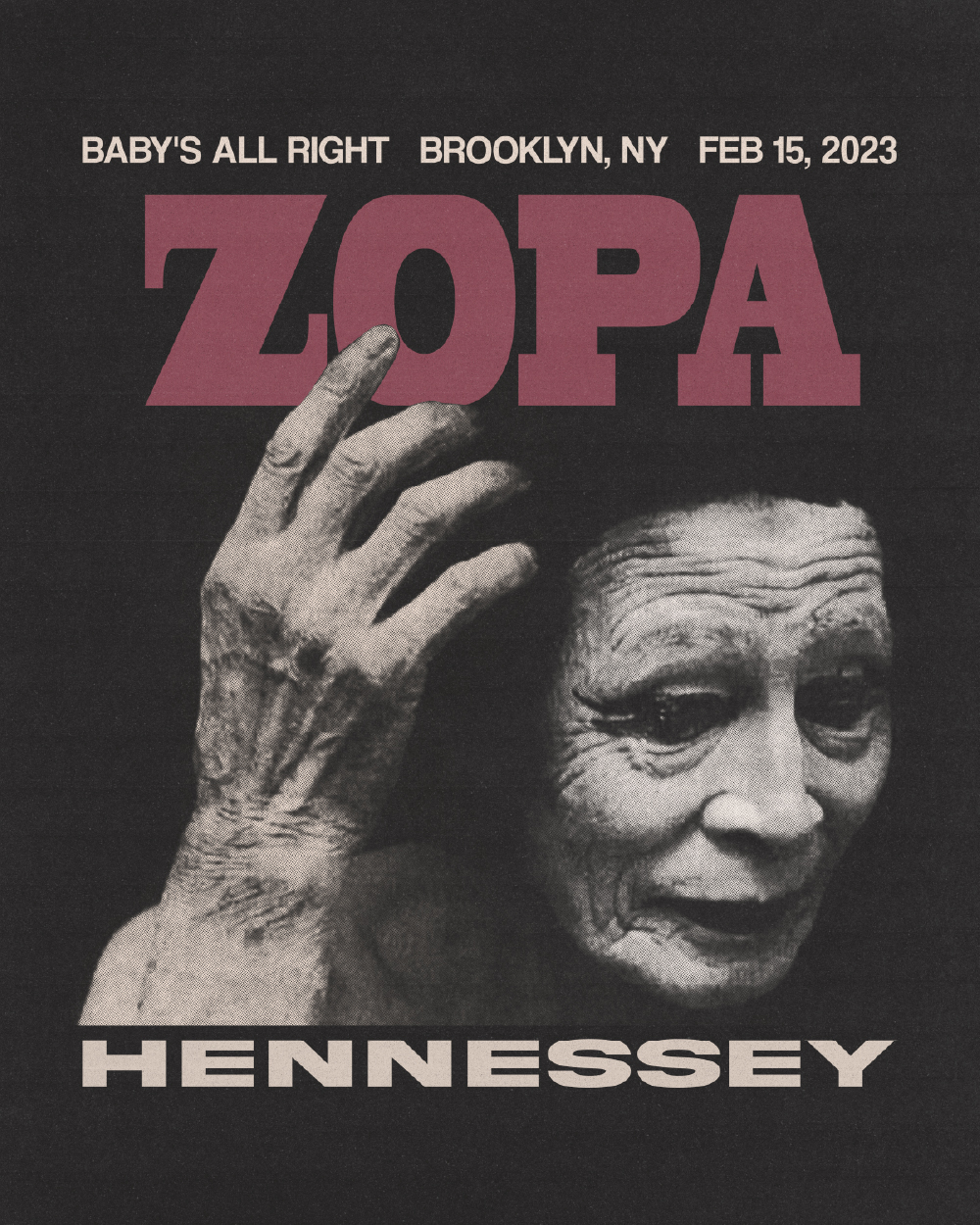
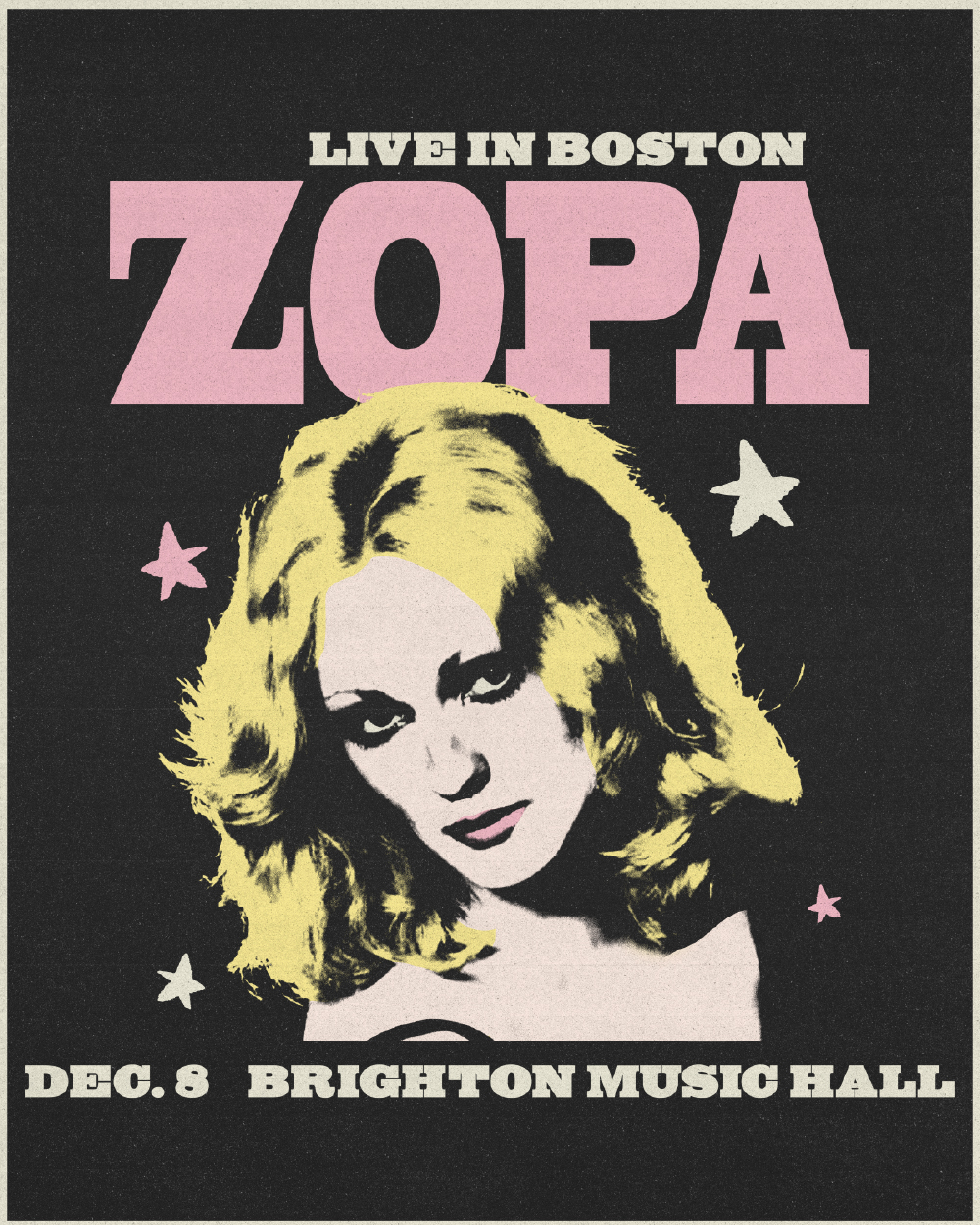
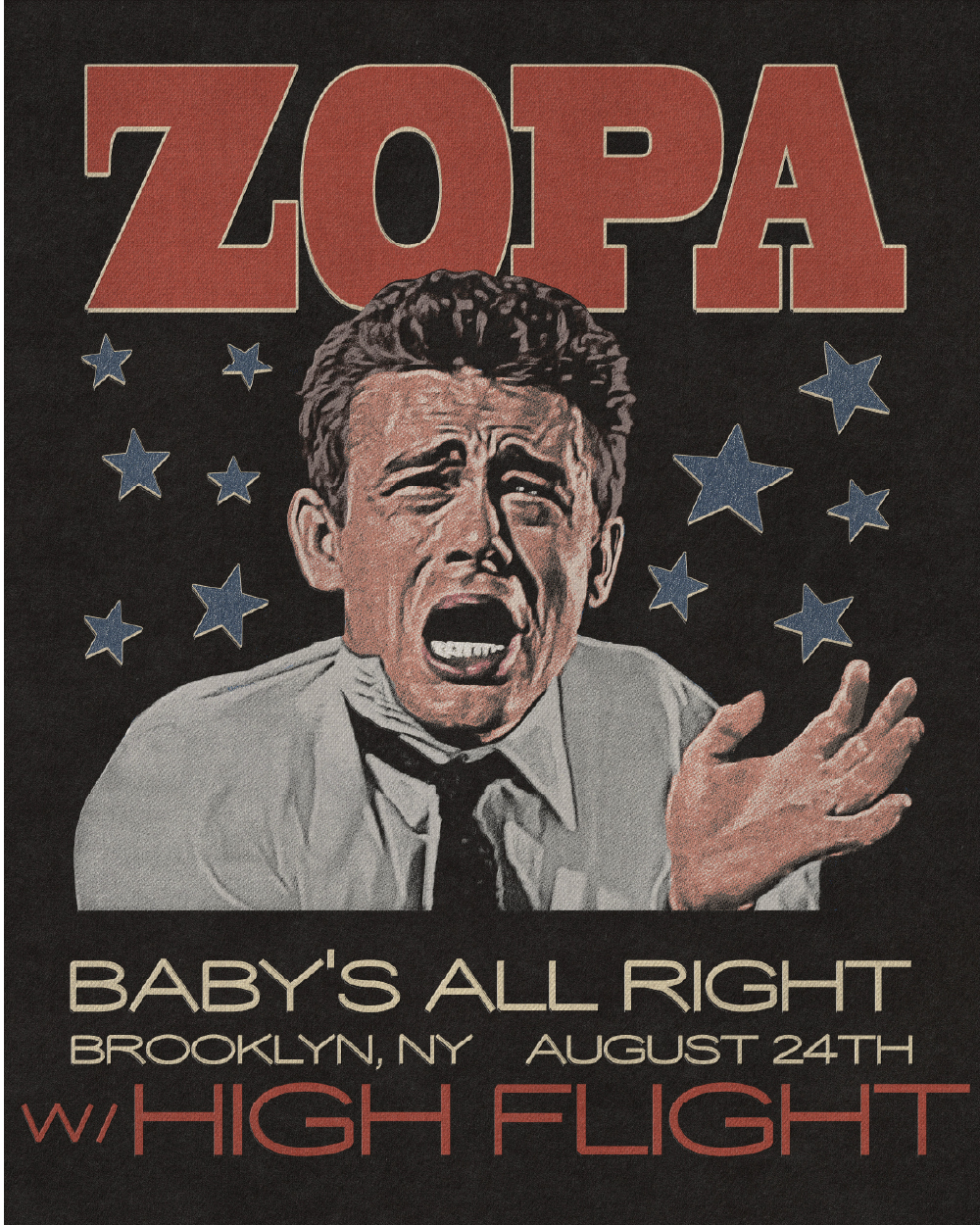
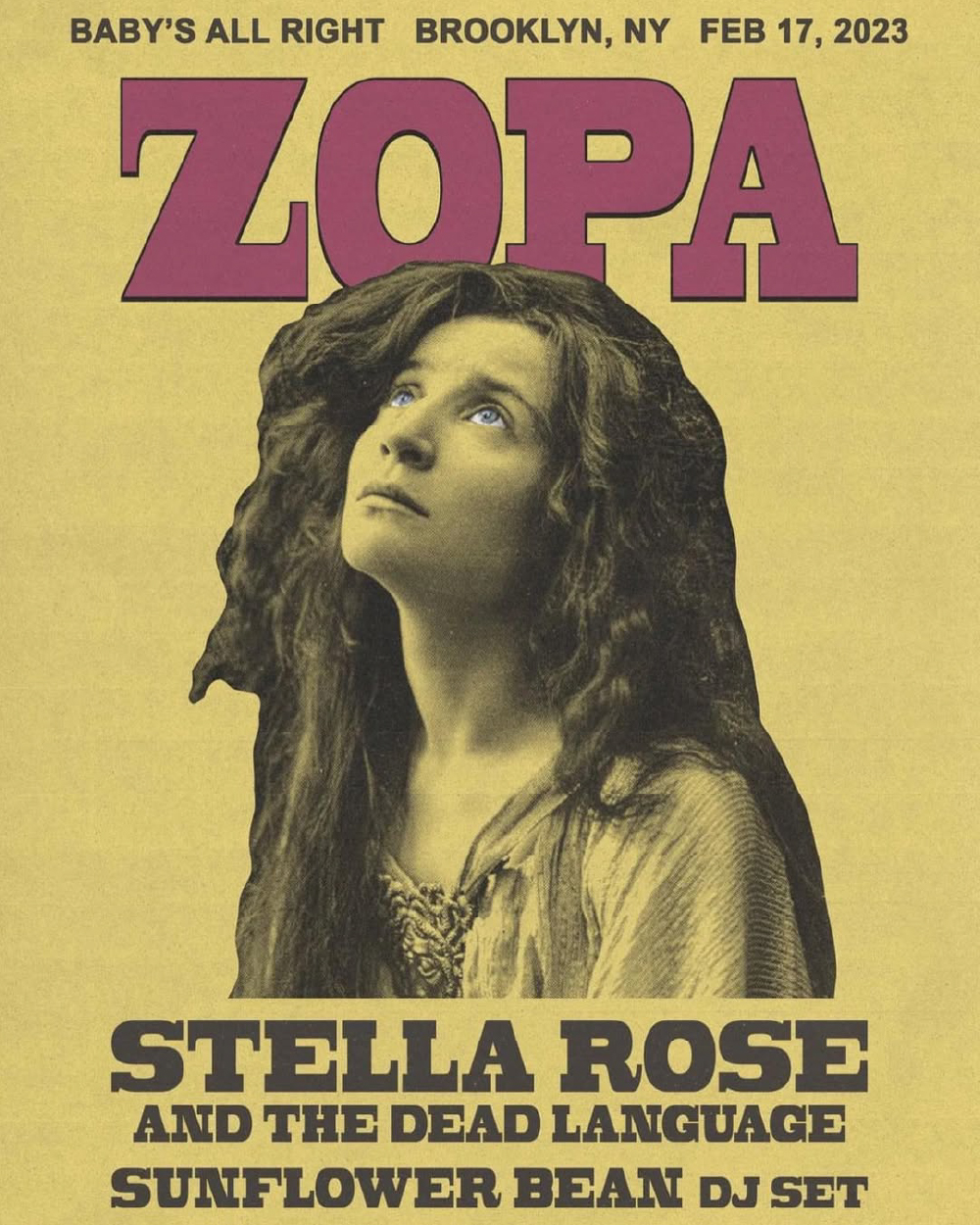
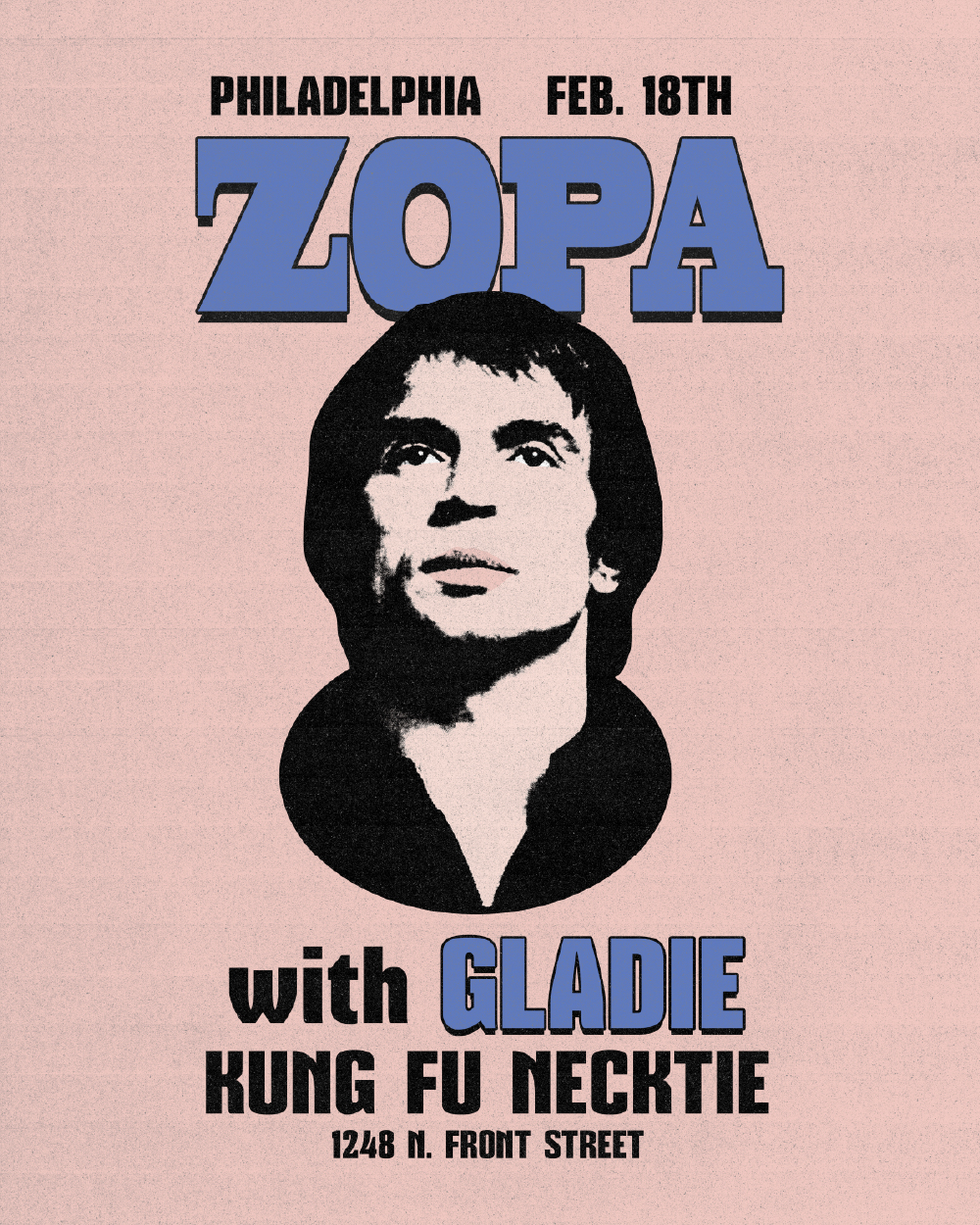
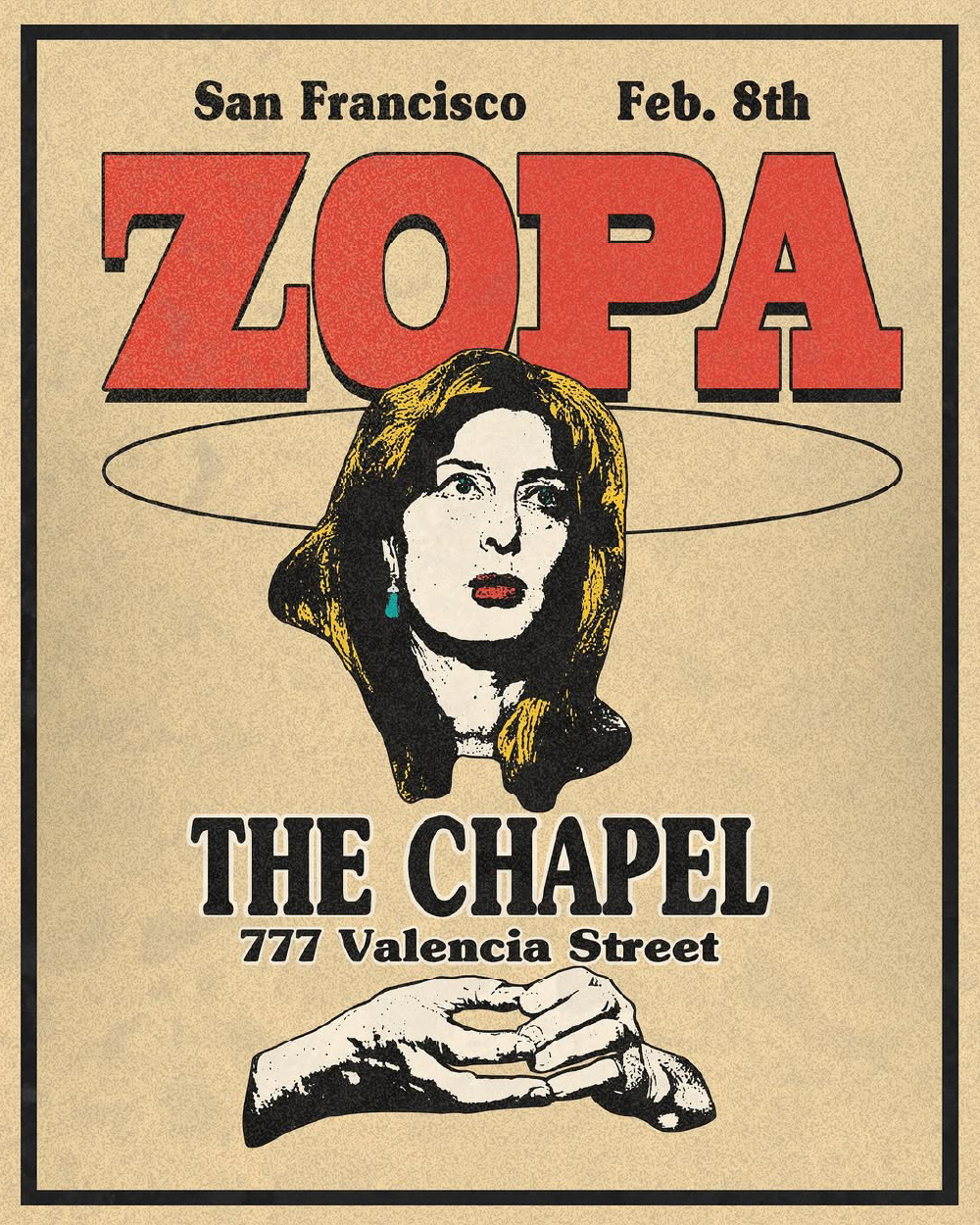
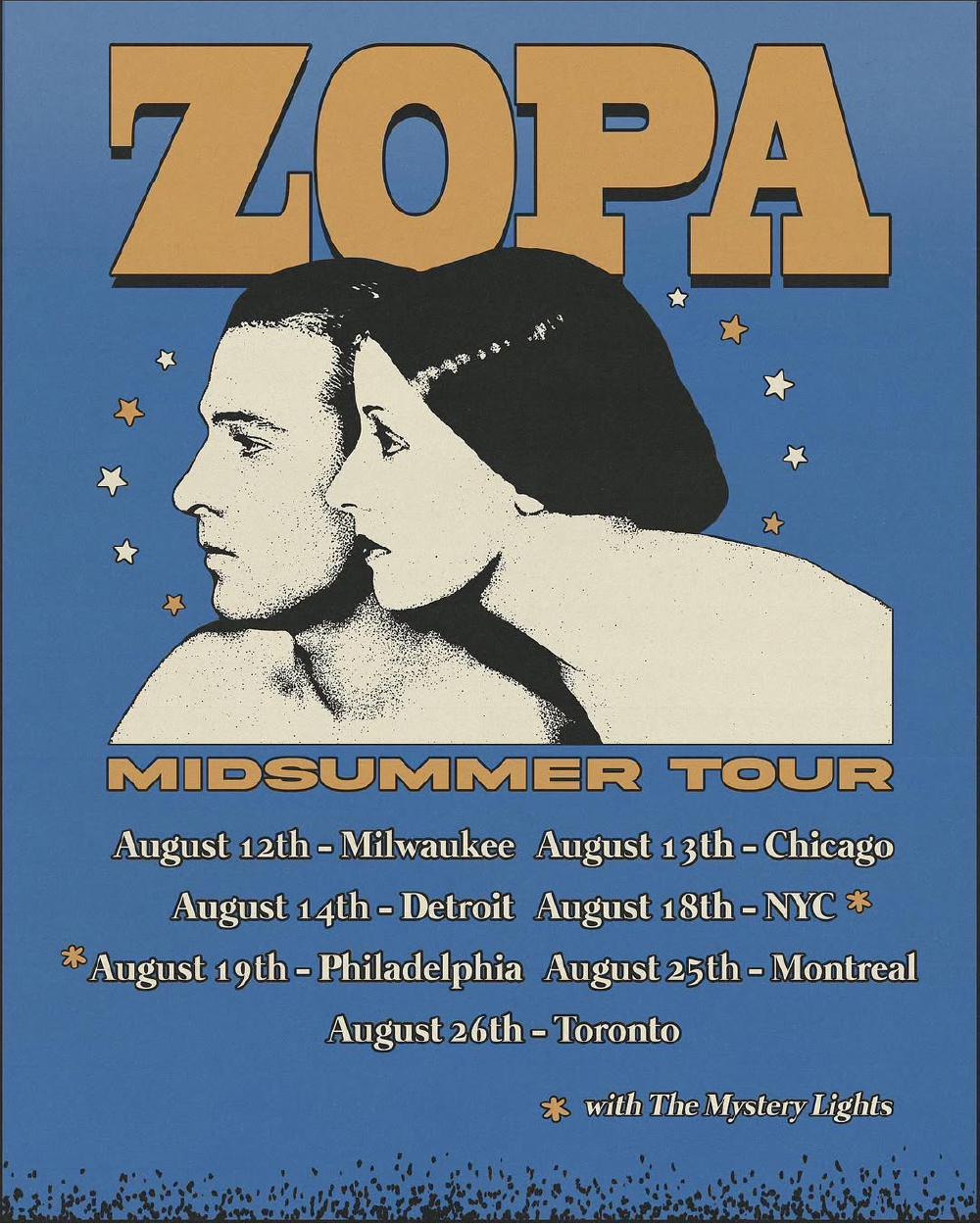
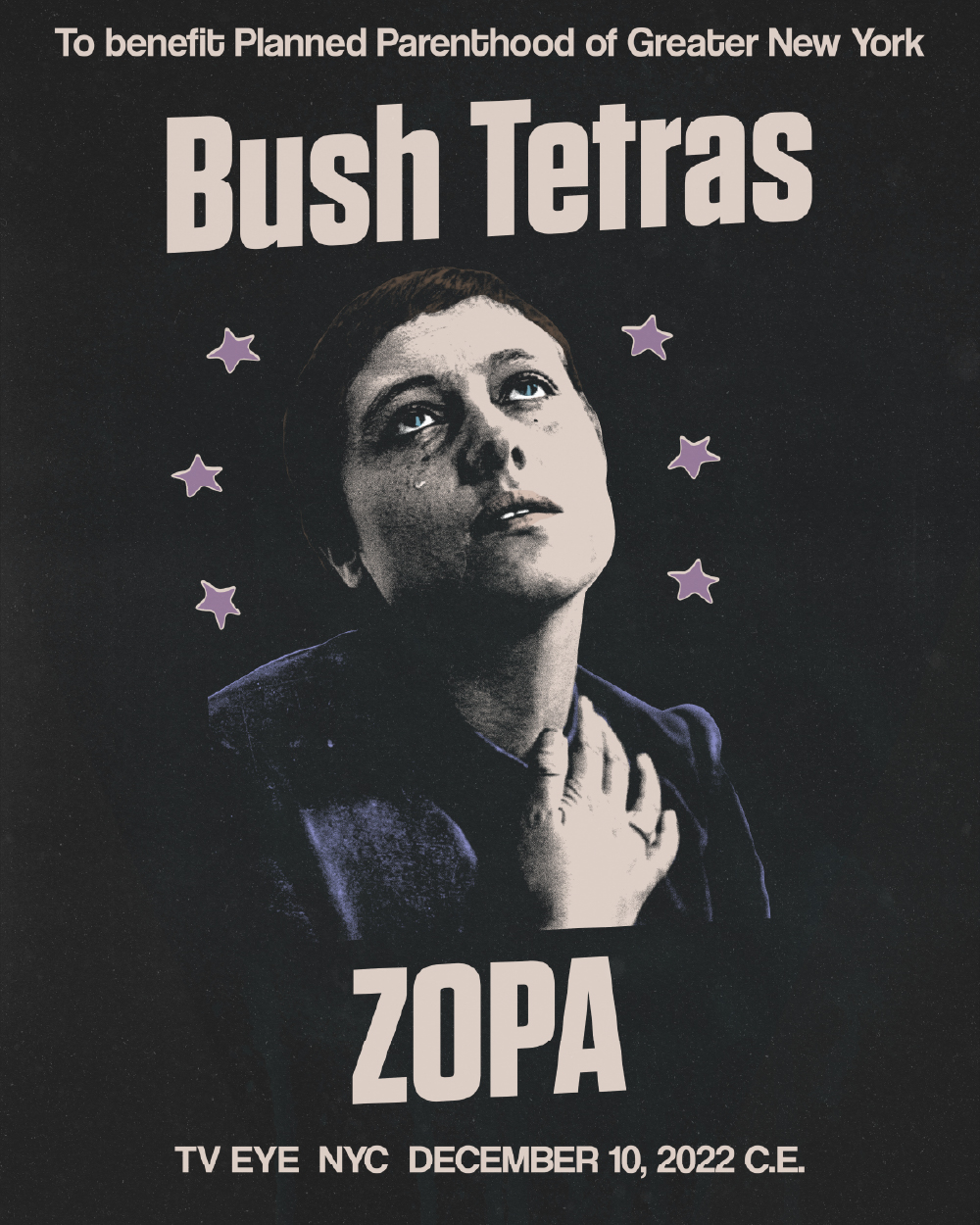
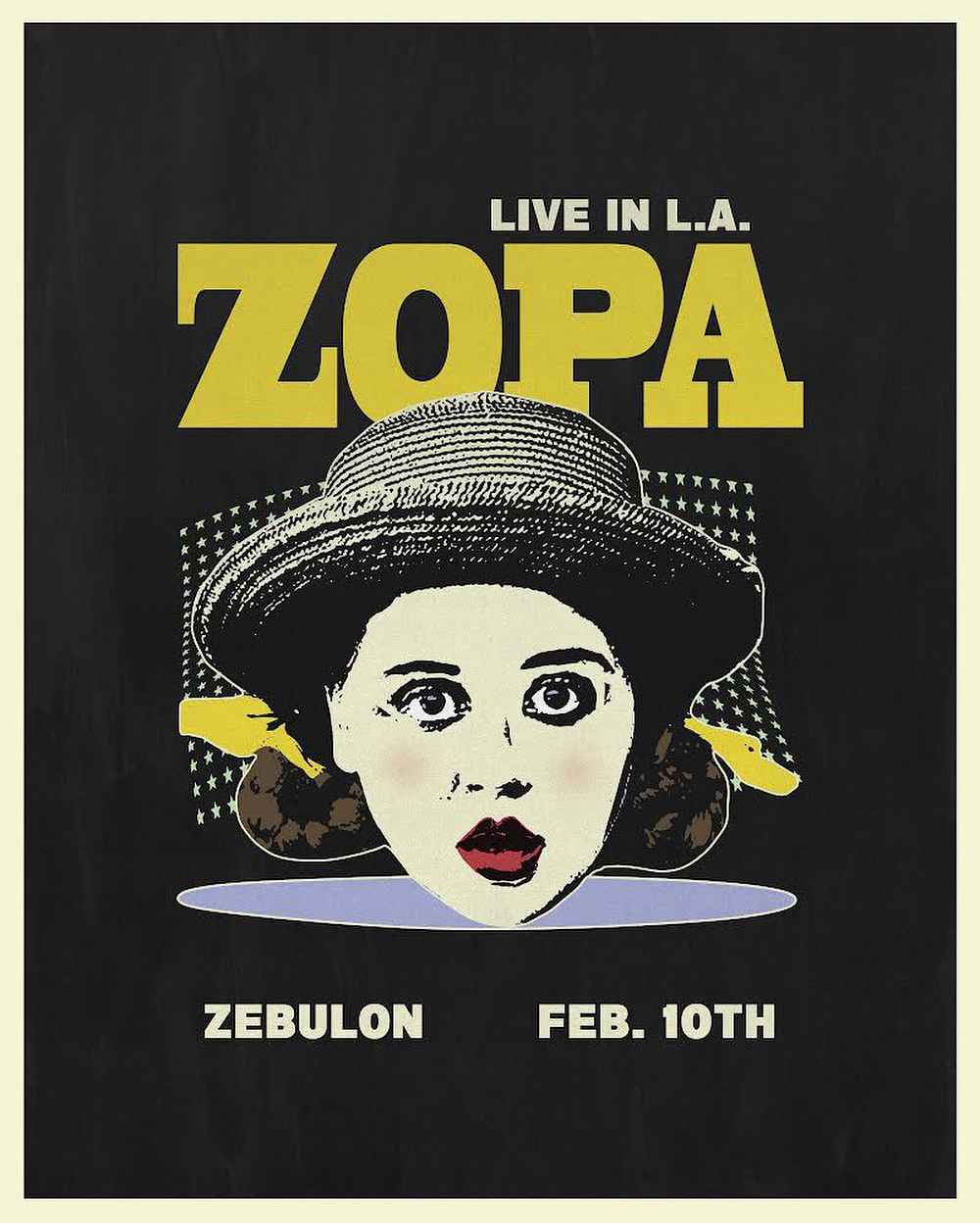
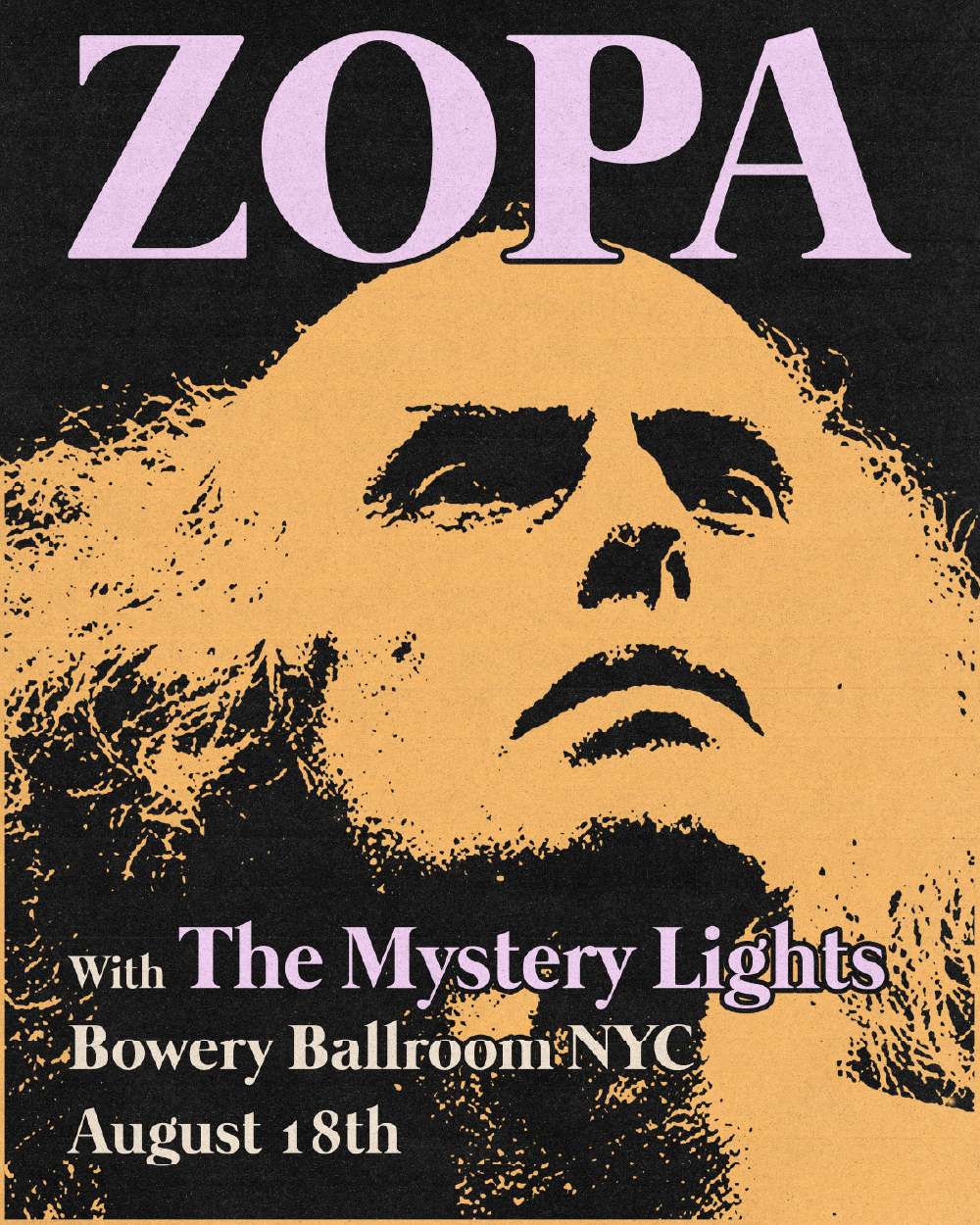

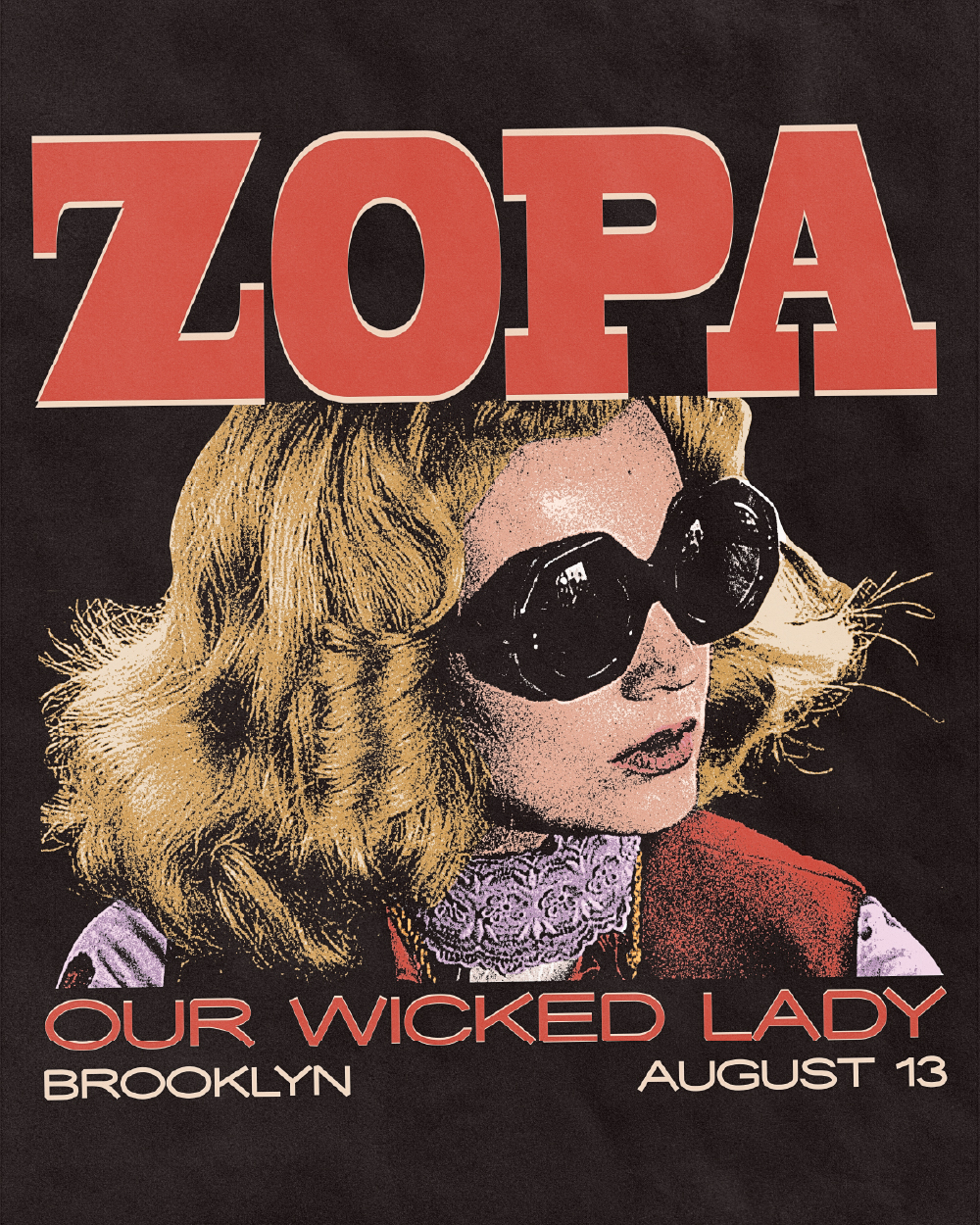
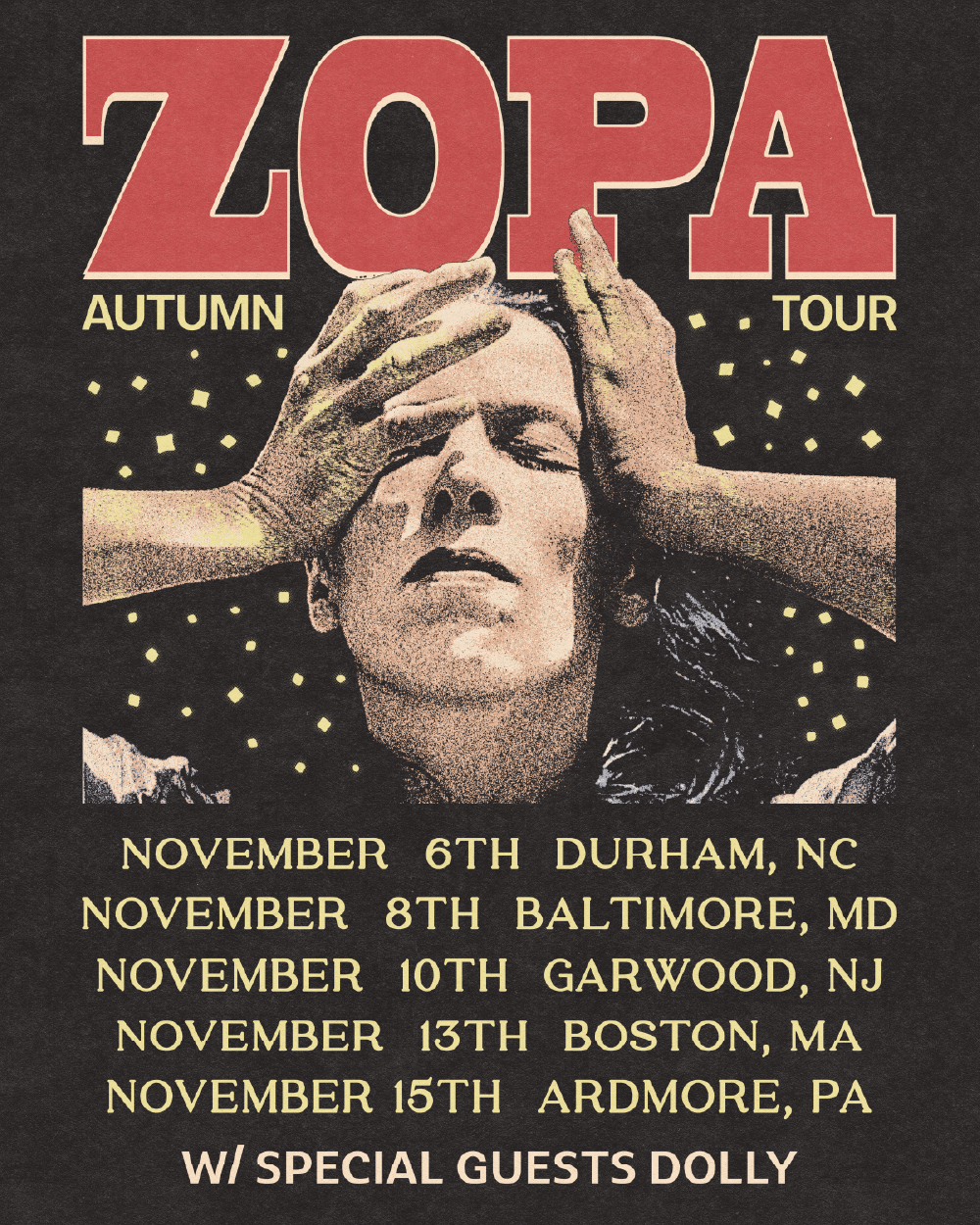
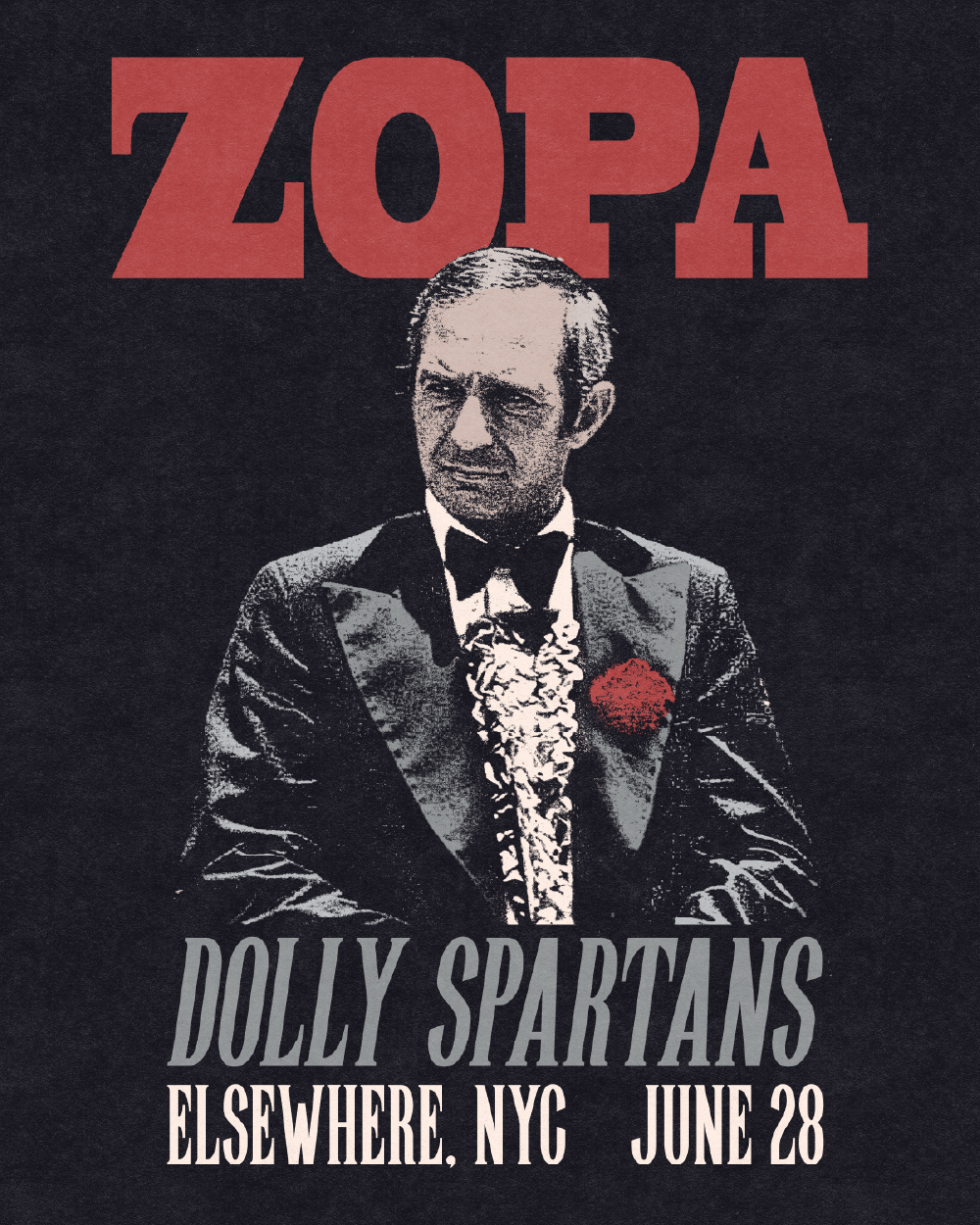
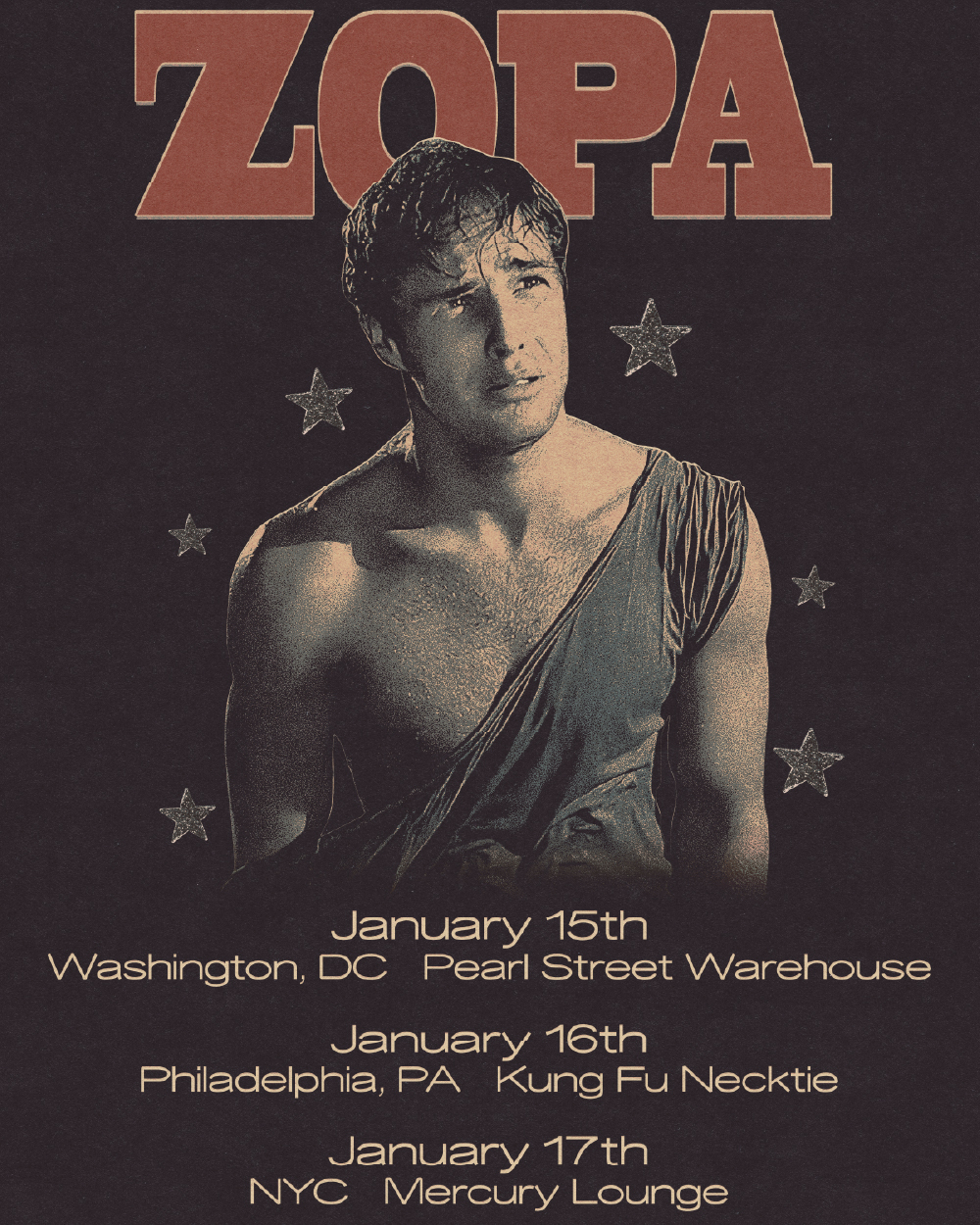
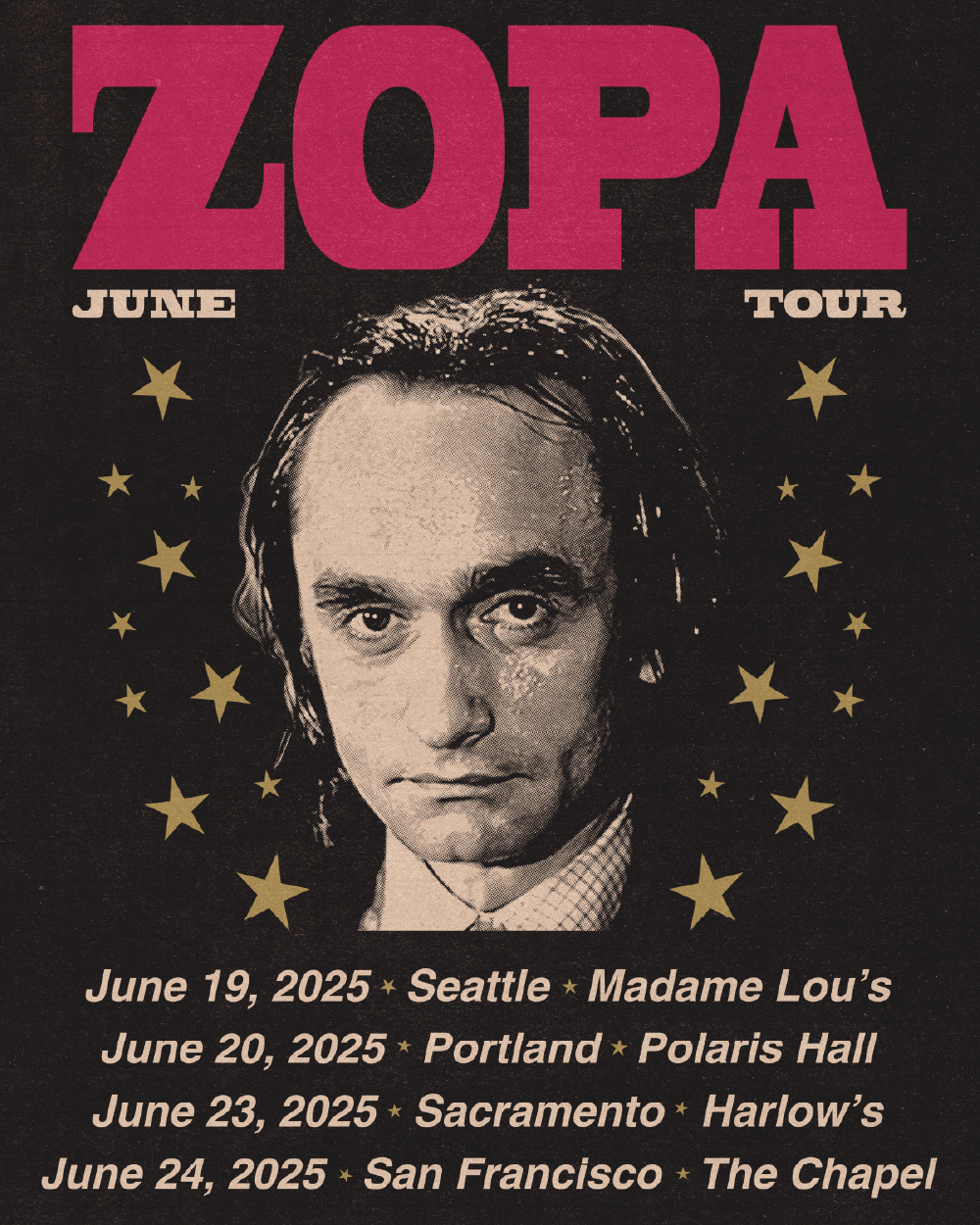
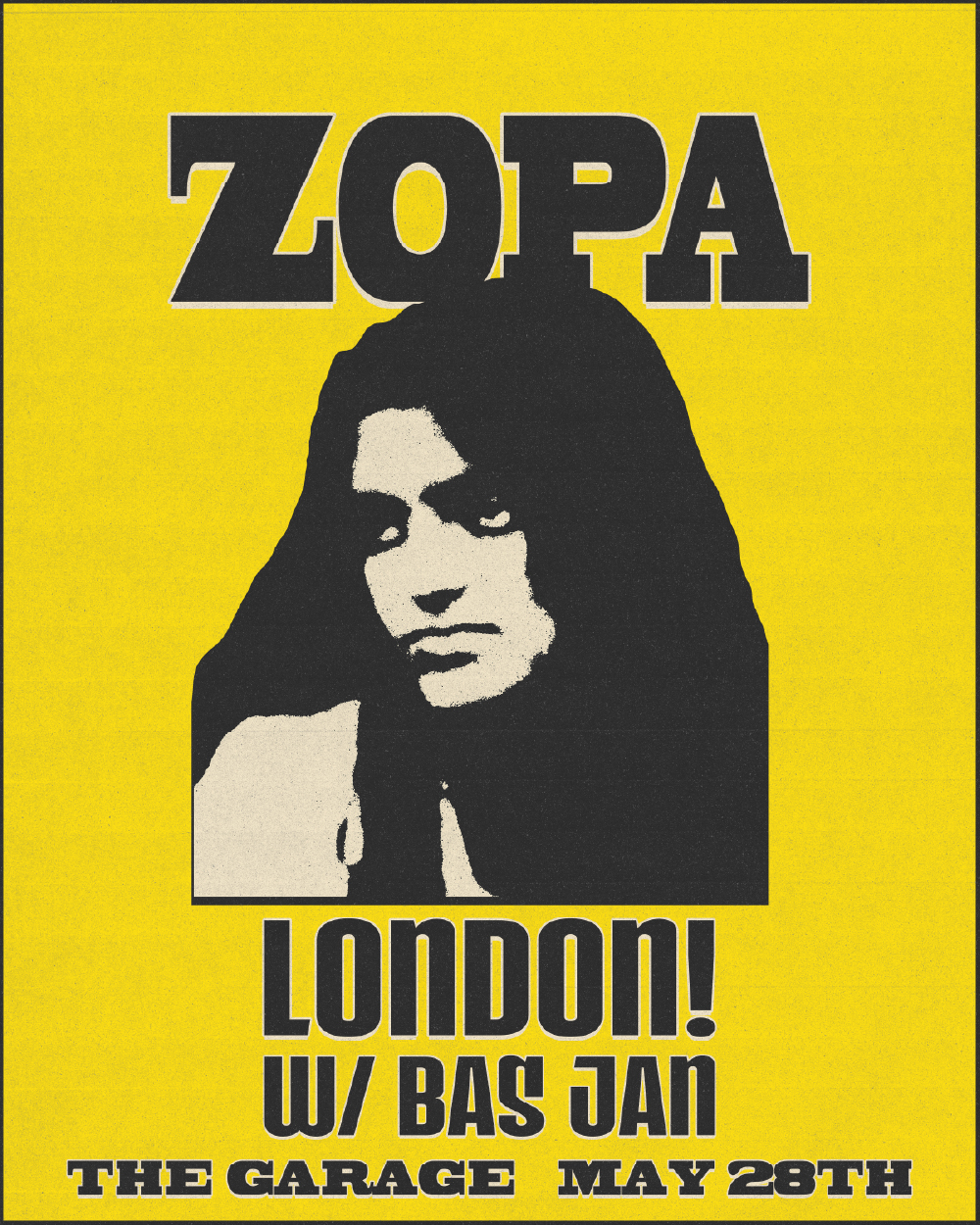
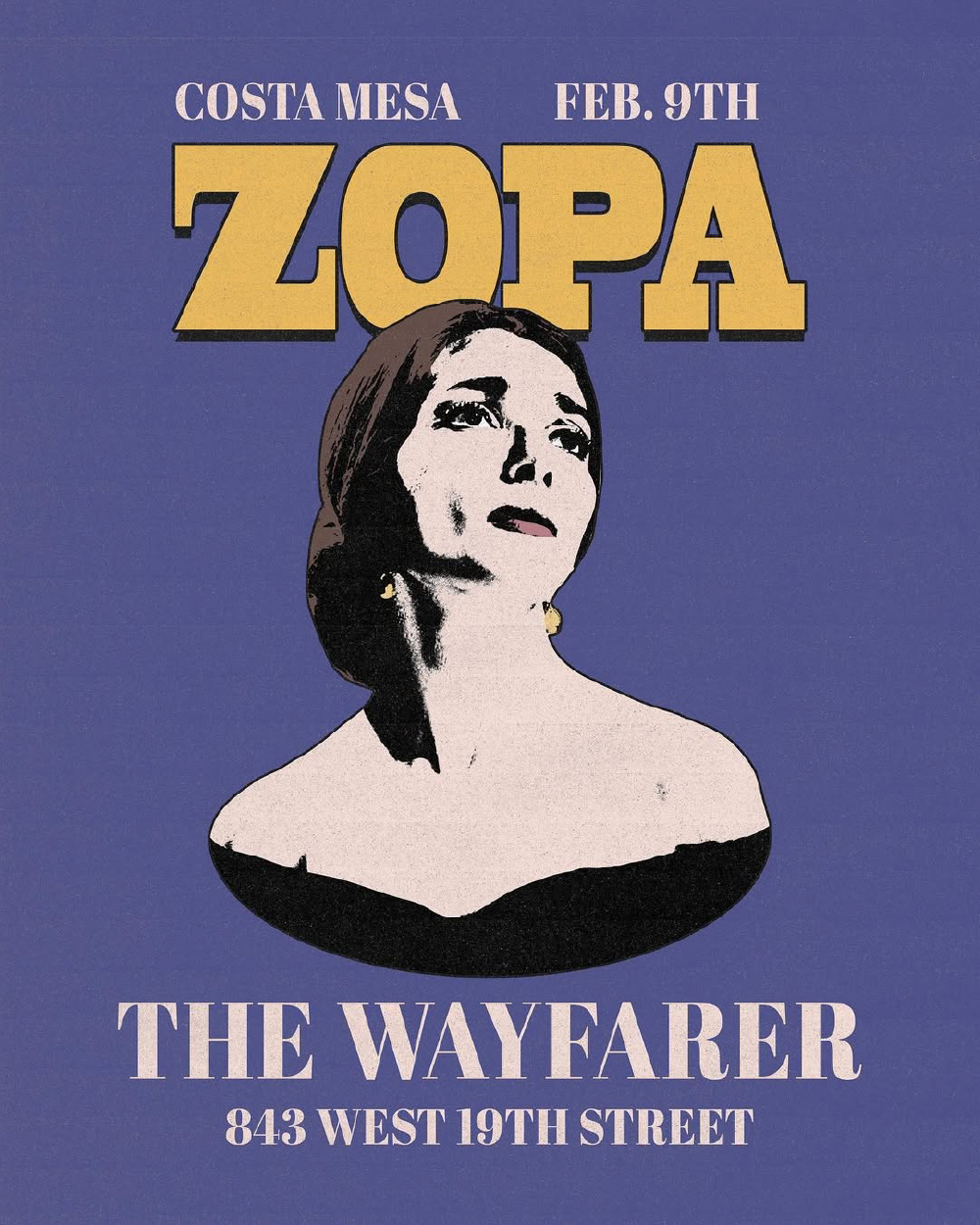
Poster Artist: Andy Carter
Andy Carter is a graphic designer out of South Carolina focused on working with bands and musicians on various projects such as merchandise designs, posters, flyers, and cover art.